Classic and Vintage Cars Complete Buyer’s Guide
Posted Thursday, Sep 11, 2025
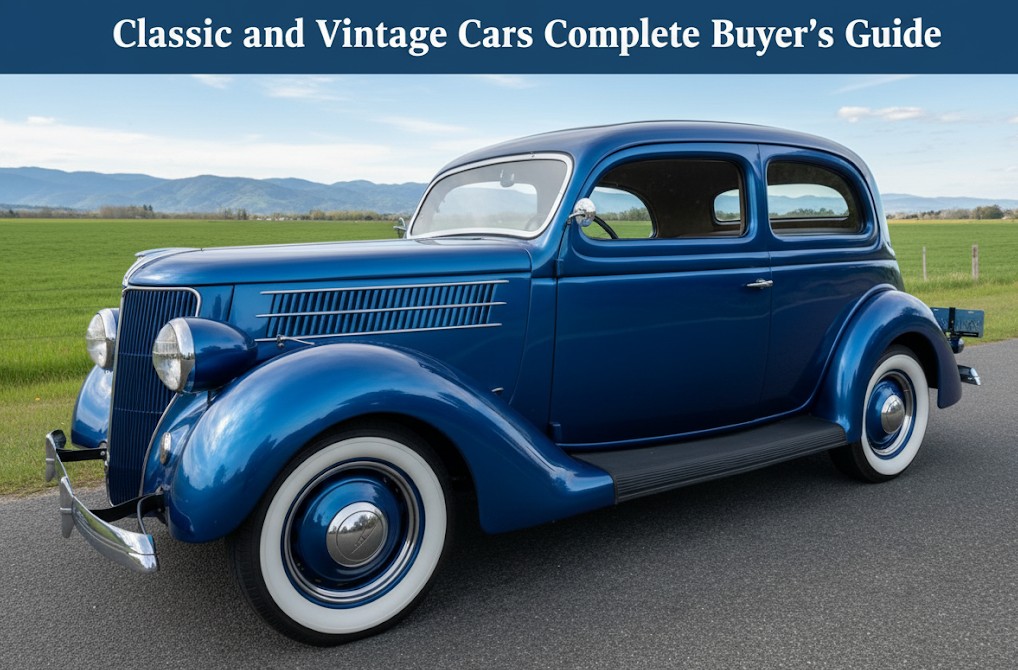
For collectors and car enthusiasts alike, vintage cars are more than simple modes of transport—they capture a slice of automotive history. Whether you’re an experienced collector or purchasing your first classic, understanding how to approach the vintage car market is essential. This guide offers expert tips to help you choose the ideal classic car for your collection.
Why Should You Buy a Classic Car?
Investing in a classic car can offer numerous benefits. Not only do these vehicles appreciate in value over time, but they also provide a unique driving experience that modern cars often lack. Here are a few reasons to consider:
- Appreciation in value: Classic cars can be valuable assets, often increasing in worth as they age.
- Driving pleasure: The feel of a vintage automobile on the road is hard to match.
- Community: Owning a classic car connects you with a passionate community of fellow enthusiasts.
What to Look for When Buying a Vintage Car?
When you decide to buy a classic car, it’s essential to know what to look for. Key factors include:
- Condition: Inspect the car thoroughly for rust, damage, and wear.
- Originality: Ensure that the vehicle retains its original parts, as this affects its value.
- Documentation: Verify the car's history, including service records and previous ownership.
How to Value a Classic Car?
Understanding the valuation of classic cars is vital for any buyer. Here are some tips to help you:
- Track market trends: Keep up with the car market to understand how prices change over time.
- Check auction results: Look at recent sales in online auction houses to gauge current value.
- Seek expert advice: Classic car magazines and seasoned dealers can offer valuable valuation insights.
Where to Buy Vintage Cars?
There are several avenues to explore when looking to buy a classic car:
- Dealerships: Established dealerships often provide warranties and financing options.
- Private sales: Buying from a private seller can lead to better deals but comes with risks.
- Online auctions: Websites dedicated to classic cars offer a wide range of vehicles.
What to Know About Classic Car Insurance?
Insurance for classic cars differs from standard car insurance. Here are some aspects to consider:
- Agreed value coverage: This ensures you receive a predetermined amount in case of total loss.
- Limited mileage: Many policies require you to limit annual mileage to qualify for lower rates.
- Specialized coverage: Look for insurers that specialize in classic vehicles for the best options.
How to Test Drive a Vintage Car?
Taking a test drive is an essential part of buying a car. Here’s how to get the most out of it:
- Evaluate handling: Notice how the car reacts during acceleration and braking.
- Listen for noises: Unusual sounds can indicate underlying issues that need addressing.
- Check comfort: Ensure the seating and controls are comfortable for your driving style.
What Are the Key Negotiation Tips?
Negotiating the purchase price of a vintage car can be daunting. Here are some effective strategies:
- Do your homework: Know the market value and be ready to justify your offer.
- Stay calm: Approach negotiations with a clear mind and avoid emotional decision-making.
- Be prepared to walk away: Sometimes, the best bargaining chip is your willingness to walk away.
How to Inspect the Car Properly?
Inspecting a classic car goes beyond a quick look. Here are the steps for a thorough inspection:
- Bodywork: Check for rust, dents, and paint quality.
- Engine: Look for leaks and listen to how it runs.
- Interior: Inspect the upholstery, dashboard, and electronics for condition and functionality.
What Are the Common Issues with Vintage Cars?
While vintage cars are appealing, they often come with specific issues. Be on the lookout for:
- Corroded parts: Rust can greatly impact the vehicle’s lifespan and resale value.
- Outdated technology: Be prepared to upgrade parts that may not meet modern safety standards.
- Scarcity of parts: Some older cars may require rare parts that can be difficult to find.
How to Select the Perfect Vintage Car for Your Needs?
Selecting the right vintage car involves understanding your preferences and goals. Consider the following:
- Purpose: Determine whether you want a car for daily driving, shows, or investment.
- Budget: Set a clear budget that includes purchase price, restoration, and insurance costs.
- Make and Model: Look into classic cars that match your interests and budget.
What Are the Final Steps After Purchase?
Once you’ve purchased your vintage car, there are a few final steps:
- Register the car: Ensure you complete the necessary paperwork for ownership transfer.
- Get insurance: Secure classic car insurance to protect your investment.
- Join clubs: Engaging with owners’ clubs can be helpful for sourcing parts and information.
In summary, buying vintage cars is an exciting journey that requires careful consideration and research. Here are the key takeaways:
- Understand the vintage car market and valuation.
- Inspect and test drive before making a purchase.
- Be prepared to negotiate effectively.
- Secure specialized classic car insurance.
- Join communities for support and resources.
If you're looking to embark on this journey, consider visiting INSIDE CAR GUYS, a used car dealership in Thousand Oaks, CA, where you can find a wide range of vintage cars for sale, complete with expert advice and assistance in navigating the buying process. With our complete guide, you’ll be well-equipped to find the classic car of your dreams and enjoy the thrill of owning a piece of automotive history.