Classic Convertibles for Sale: How to Find the Perfect Vintage Convertible Near You
Posted Monday, Mar 09, 2026
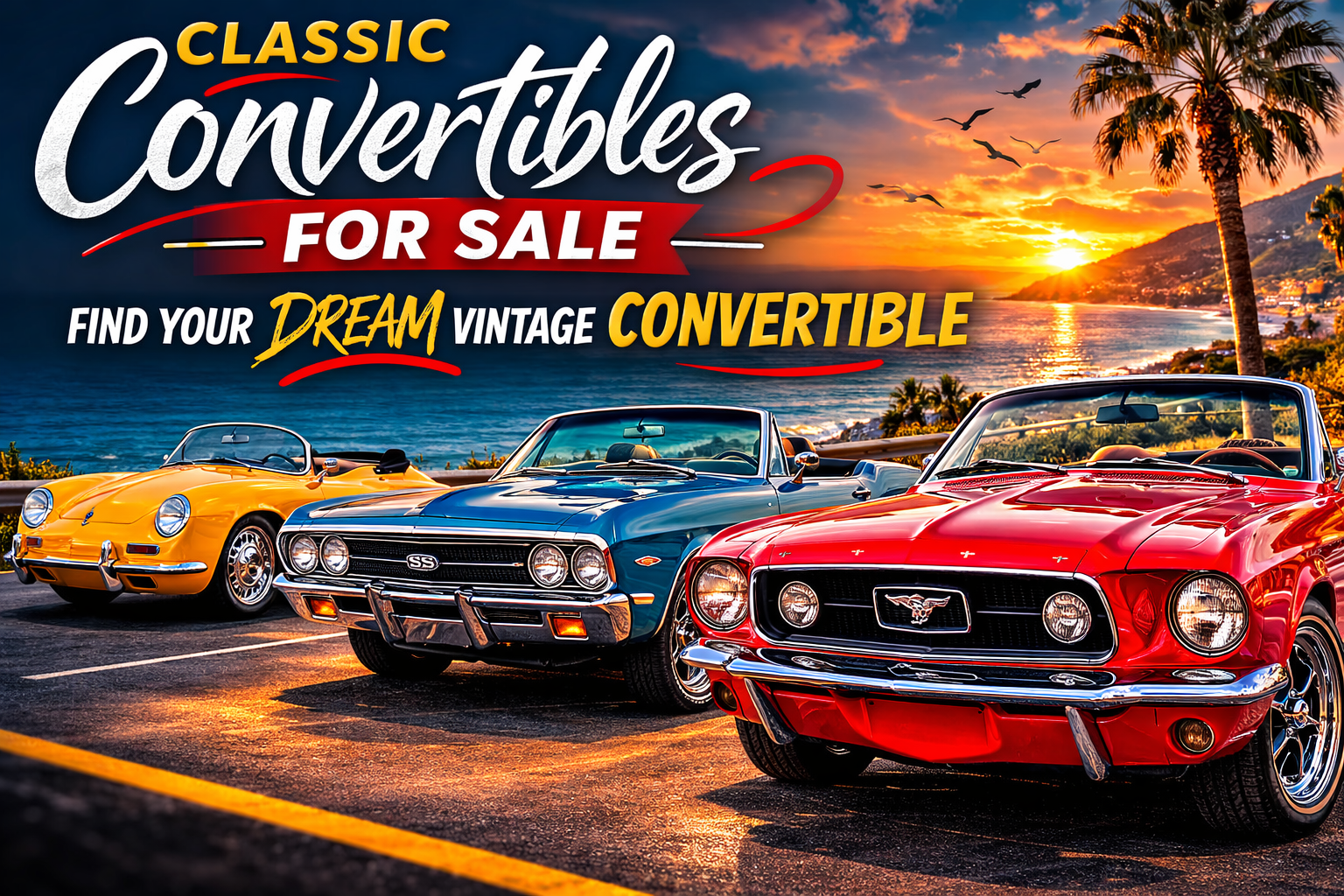
Finding the perfect vintage convertible car for sale near you blends passion with research. Whether you're hunting for a 1965 Chevrolet, a Ford Mustang roadster, a Porsche classic, or a Pontiac collector convertible, understanding where to search and what to look for helps you land the convertible of your dreams. This guide outlines practical locations, search tips, and inspection checklists to help buyers navigate inventory, pricing, and restoration options.
Where can I find classic car inventory at local dealerships?
Local used car dealers, specialty classic car showrooms, and independent lots often carry a curated selection of classic convertibles for sale. When searching dealership inventory, use filters like model year, engine type (V8 or manual transmission), and make—Chevrolet, ford, Pontiac, Porsche—to quickly narrow options. Many dealers list cars online with detailed photos, history, and price, making it easy to browse available vehicles before visiting the showroom.
Dealerships that specialize in collector cars typically provide vehicle history, restoration documentation, and financing options tailored to classic cars. Look for a dealer who displays a wide range—from 1959 and 1961 roadsters to 1964 Chevrolet models and 1970 muscle editions—so you can compare condition, quality, and exclusive features. A strong dealer inventory signals reliability and an easier path to find the specific convertible for sale you want.
How do I filter convertible listings to find the right model and price?
Effective filtering starts with clear criteria: make, model, year, engine (V8 vs original), transmission (speed, manual transmission), price range, and location. Use online platforms and dealer websites that allow multiple filters so you can focus on classic convertibles for sale that match your dream car—whether it’s a 1967 Mustang, a 1965 Chevrolet Chevelle Malibu, or a timeless Packard roadster.
Don’t forget to filter by history and condition—restored, original, or project cars—so you can weigh restoration cost against the listed price. Many buyers use a checklist to compare options: running condition, rust and frame health, engine rebuild status, and documented provenance. This makes choosing among available options faster and more precise.
Which online marketplaces list collectible convertible classic cars for sale?
Popular online marketplaces and specialized auction sites are rich resources for vintage convertibles. Sites such as classic listings, collector car auction houses, and dedicated portals for classic convertible cars provide broad exposure to national inventory, shipping options, and sometimes buyer protection. You can browse gallery photos, read seller notes about V8 engines or original builds, and compare listing prices across regions.
Gateway Classic Cars, specialty forums, and enthusiast marketplaces often list rare 1959, 1961, 1964 Chevrolet, and 1970 models. These platforms are valuable for discovering exclusive editions and dream cars that local dealers may not stock. When using online listings, verify vehicle history, request additional photos, and inquire about shipping and financing to complete a secure purchase.
Where do classic car collectors look for rare collector convertible models?
Serious collectors attend car shows, auction events, and club meets to find exclusive collector cars. Events like regional classic car expos and national auctions are hotspots for rare collector convertible finds—everything from original-era Pontiacs and Packards to restored Porsche convertibles. These venues let buyers evaluate cars up close, see provenance documentation, and meet sellers face-to-face.
Collector networks and private brokerages also facilitate hard-to-find matchups. If you’re searching for a specific model—1967 Mustang, 1965 Chevrolet, or a Chevelle Malibu SS—working with a broker can expand your search across the U.S. and tap into private sales and hidden inventory. Brokers often handle inspections, shipping, and negotiation to protect your purchase.
How can I spot quality in a vintage convertible for sale?
Quality starts with documentation and a thorough inspection. Check for original engine numbers, build sheets, and restoration receipts. Original or properly restored V8 engines, correct paint codes, and matching transmission details (including speed manual transmission when applicable) are strong indicators of a high-quality vehicle. Look for consistent VIN records and a maintenance timeline to gauge authenticity.
Physically inspect the vehicle for frame rust, suspension wear, and the condition of the convertible top and interior. Quality craftsmanship in bodywork, accurate trim parts, and a well-documented restoration are signs of a reliable purchase. If in doubt, hire an automotive inspector who specializes in classic convertibles to prevent costly surprises after purchase.
What should I know about pricing and offers for classic convertibles?
Vintage convertible prices vary widely by rarity, condition, and provenance. Popular models like the Ford Mustang or Chevrolet Chevelle Malibu command higher prices, especially in authentic SS or limited-edition trims. Compare price lists across dealer inventory, online listings, and auctions to understand the market range for specific years—1959, 1961, 1964, 1967, and 1970 often carry premium values.
When making an offer, consider repair costs, shipping, and financing terms. Sellers may factor collector demand, restoration quality, and original parts into the asking price. Negotiate with evidence: comparable sales, restoration invoices, and inspection reports help justify your offer. For exclusive collector cars, be prepared to act quickly and confidently to secure the purchase.
Where can I find financing options for a classic car purchase?
Financing classic cars differs from standard auto loans. Some banks and credit unions offer classic car financing with terms that accommodate collector investments, and many specialty lenders provide loans tailored to vintage vehicle purchases. Dealers with a showroom that focuses on collector cars may offer in-house financing options or partner with lenders familiar with classic convertible valuation.
Before committing, compare interest rates, loan duration, and whether the lender accepts partially restored or project cars. Documentation like value appraisals, restoration records, and clear title history will strengthen your loan application. Financing can make a dream car more accessible, but keep total cost—including insurance and potential restoration—within your budget.
How do auction houses handle the shipping and purchase of classic convertible cars?
Auction houses often coordinate shipping and logistics for vehicles sold through their platform. When bidding on a convertible classic car, confirm the auction’s shipping policies, insurance coverage during transport, and timelines. Some houses partner with specialized transport providers who understand how to handle classic roadsters, fragile interiors, and original parts.
Be aware of additional auction fees, buyer’s premiums, and export/import paperwork if purchasing from out-of-state or internationally. For high-value collector cars like original 1965 or 1967 models with V8 engines, insured transport and professional crating preserve vehicle condition and ensure a smooth delivery to your location.
Are restoration projects or original-condition cars better buys?
Choosing between a restoration project and an original-condition car depends on your goals. If you want a show-ready vehicle or plan to enter collector events, a professionally restored classic convertible offers immediate enjoyment and predictable performance. Restorations that maintain original specs—engine, transmission, and trim—command higher resale value and appeal to purist buyers.
Conversely, original-condition cars with matching numbers and documented history can be rare finds and appreciate over time, especially if unrestored patina is desired. Restoration projects may offer lower upfront prices but require investment in time, parts, and skilled labor. Evaluate total cost—purchase price plus restoration—against the potential value of the finished vehicle to decide which option fits your collector strategy.
How can I explore local car clubs and events to find classic convertibles?
Local car clubs and enthusiast groups are excellent resources for finding convertible cars for sale and networking with owners. Clubs often host swap meets, weekend cruises, and show-and-shine events where members buy, sell, and trade vehicles and parts. Joining a club focused on specific makes—Ford Mustang, Chevrolet, Pontiac, or Porsche—gives you access to a targeted pool of inventory and knowledgeable buyers.
Attend regional classic car shows and bring a list of desired models, years, and features to help club members identify opportunities. Many enthusiasts sell privately at events, offering the chance to inspect cars in person and learn about vehicle history directly from owners. These interactions can lead to exclusive deals and introductions to restorers and transport providers.
What are the best tips to finalize a purchase and protect my investment?
Before finalizing a purchase, secure a pre-purchase inspection from a classic car specialist, verify the title and VIN, and request detailed photos and documentation. Use a written sales agreement that outlines terms, includes parts, and any contingencies like successful transport or financing. If buying from a distance, use an escrow service to protect funds until the vehicle arrives and passes inspection.
Additionally, arrange proper insurance for classic cars—many insurers offer agreed-value policies for collector vehicles rather than standard market value coverage. Plan for ongoing maintenance, secure storage to preserve quality, and maintain records of any repairs or upgrades. These steps protect your investment and help maintain the car’s value in the collector market.
Summary of Key Takeaways
- Search multiple sources: local dealerships, specialty showrooms, online listings, and auctions to find vintage convertibles.
- Use robust filters (make, year, engine, price, location) to narrow convertible listings efficiently.
- Verify vehicle history, matching numbers, and restoration documentation to assess quality and price.
- Consider financing options specific to classic cars and compare lender terms and requirements.
- Attend car shows and join enthusiast clubs to access exclusive inventory and private sales.
- Decide between original-condition versus restored projects based on budget, timeline, and investment goals.
- Arrange professional inspections, secure transport, and appropriate insurance to protect your purchase.
As a reputable used car dealer in Newbury Park, CA, we offer a wide range of convertible cars for sale and can help you discover a vintage, classic, or luxury roadster that suits both your budget and personal style. Whether you’re after a Chevrolet, Ford, Porsche, or a collector Pontiac, their inventory and knowledgeable team can guide your search, offer financing and pricing options, and help arrange shipping. From timeless 1964 Chevrolet and 1965 Chevrolet Chevelle Malibu editions to exclusive 1967 Mustangs and 1970 muscle models, we treat each vehicle with the collector’s care it deserves—quality, original details, and the chance to find the convertible of your dreams. If you’re serious about purchasing a collectible vehicle, contact a trusted used car dealer like INSIDE CAR GUYS to explore available inventory, discuss price and financing, and make an informed purchase that preserves the beauty and history of your next vintage convertible.